
One Way Tickets Monsters: Biome Encounters and Combat Tactics
One Way Tickets monsters spawn along roadway stages across four distinct biomes, requiring players to ram targets directly, discharge device weaponry, and deploy companions while monitoring energy reserves and environmental hazards during each run.
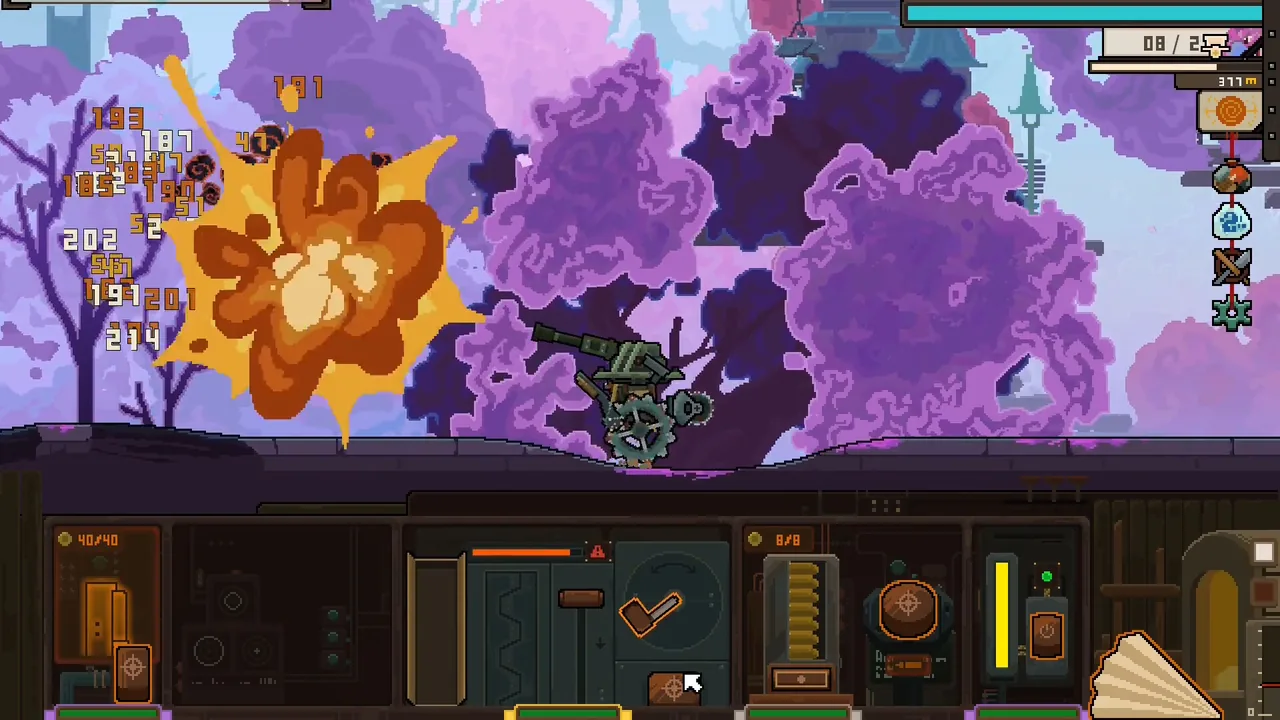
One Way Tickets monsters spawn along roadway stages across four distinct biomes, requiring players to ram targets directly, discharge device weaponry, and deploy companions while monitoring energy reserves and environmental hazards during each run.
Monster Encounters Across Biomes
Enemies in One Way Tickets appear along the route as the vehicle travels forward. The Early Access release includes four world biomes, each divided into three sub-scenes with specific visual themes and environmental conditions. Each world features unique creature types tailored to that environment alongside local weather hazards that complicate defense.
Enemy spawns interact directly with the stage climate. Driving through harsh weather while confronting roadside beasts tests both vehicle handling and weapon uptime. Players face distinct native monster rosters across areas like the tree sea territory and the Guanhai coastal route, where terrain and visual clarity change enemy approach angles.
Vehicle Combat Actions Against Enemies
Combat involves two coordinated screen zones: the vehicle traveling along the top roadway and the lower dashboard where hardware is triggered. Players directly strike hostile targets by running them down with the chassis or by activating mounted hardware. Bullets provide ranged clearance, while mechanical swing arms deflect close-range hostiles.
Balancing offense against energy limits determines survival. Rapid firing or aggressive hardware activation empties energy reserves quickly, leaving the vehicle defenseless against following waves. When roadside hostiles become overwhelming, calling recruited companions into action provides automated backup to clear the screen.
| Combat Action | Tactical Application | Resource Demand |
|---|---|---|
| Vehicle Ramming | Crushing grounded targets directly in the path of the car | Risks positional stalls without using active power |
| Device Weaponry | Repelling incoming hostiles with mounted firearms and melee swings | Consumes vehicle energy reserves during continuous firing |
| Companion Support | Assisting with stage combat when manual inputs fall behind | Relies on allies recruited at rest stops along the path |
Equipping specialized devices shapes how different monster formations are handled. Maintaining steady energy management prevents weapons from shutting down when large swarms cluster along the road.
Large Bosses and Known Combat Behaviors
Major combat checkpoints present specialized encounters, such as the subterranean worm boss. Discussion threads on the official Steam community hub highlight technical quirks during these fights, including issues where bosses exhibit distance constraints on their health displays. Other feedback threads identify targeting errors where mounted weaponry stops firing or deployable rolling logs fail to launch.
Surviving these large encounters requires maintaining sustained fire while avoiding direct vehicle collision. Because major bosses possess extensive health pools, conserving energy for vulnerable phases prevents catastrophic vehicle breakdown before the stage clear point.
Monster Collections and Camp Progression
Defeating hostile creatures contributes directly to the in-game collection index. The compendium records defeated Monsters alongside unlocked Devices, Characters, Relics, and Loots. Reviewing this catalog allows players to track which regional threats have been cleared across the four launch biomes.
Every fallen adversary yields salvageable materials to gather along the road. Transporting these resources back to the main base camp funds upgrades for core vehicle stats and functional buildings, increasing durability and damage output for subsequent runs through difficult biomes.
Next step
Safe Zones
Explore how safe zones work in One Way Tickets to trade with merchants, trigger route events, and handle vehicle companions.