
One Way Tickets Loot: Resource Conversion and Cargo Guide
Loot in One Way Tickets converts into camp currencies upon your return, turning items like weapon handles and hopper hind legs into materials and food. Targeting the specific drops needed for your next camp upgrade prevents wasted inventory space during expeditions.
Loot in One Way Tickets converts into camp currencies upon your return, turning items like weapon handles and hopper hind legs into materials and food. Targeting the specific drops needed for your next camp upgrade prevents wasted inventory space during expeditions.
Every item picked up from defeated enemies or regional encounters serves a dual role: it occupies a slot in your vehicle storage on the road, then turns into permanent currency when an expedition concludes. Understanding which drops fund specific tech nodes saves you from finishing long routes with full bags yet insufficient supplies.
How Expedition Loot Converts at Camp
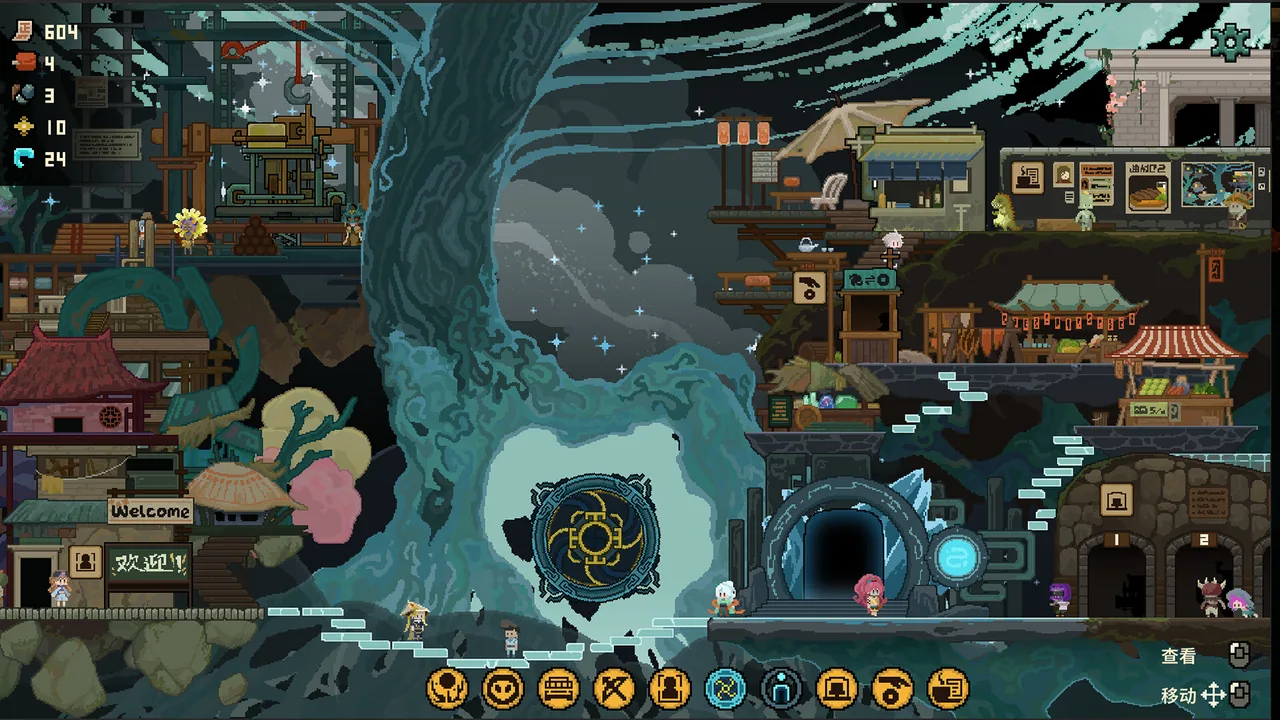
When an expedition finishes, your collected cargo changes into permanent settlement resources at the Tianmu Astrolabe. These resources fall into distinct categories that fund different branches of camp upgrades:
- Materials: Derived from mechanical and constructed enemy components, such as weapon handles. These pay for chassis structural repairs, mount expansions, and device additions.
- Food: Generated by biological enemy parts, such as hopper hind legs. Food supplies are needed for crew maintenance and expedition preparations.
- Arcane Energy: Produced by magical or spirit-infused drops, feeding directly into the upgrades that restore and expand baseline fuel reserves.
- Mileage Tickets and Treasure: Awarded through expedition progression and rare scene encounters, used to unlock specialized nodes and camp facilities.
During the run itself, enemies and encounters also drop copper coins. Copper coins do not convert into building materials at settlement. Instead, they function strictly as temporary expedition currency to trade with merchants and pay for field repairs.
Resource Planning and Drop Types
Collecting items indiscriminately leads to inventory bottlenecks. Because early vehicles have limited storage, hauling biological parts when your next station needs construction materials stalls progress. In the video guide by 10 Things You MUST Do FIRST, planning your haul around the exact prerequisites of your next upgrade branch avoids empty runs.
The table below outlines how common item categories translate into settlement resources:
| Loot Category | Primary Settlement Conversion | Target Development Need |
|---|---|---|
| Mechanical salvage (such as weapon handles) | Materials | Unlocking pre-mounted weapons and chassis brackets |
| Biological specimens (such as hopper hind legs) | Food | Sustaining passenger recruitment and expedition costs |
| Spirit anomalies | Arcane Energy | Core repair and extending expedition range |
Patch v0.8.0.3 altered how the game processes dropped items. Defeating a boss no longer risks destroying item drops on the ground, and reaching the end of any route section automatically gathers all remaining ground drops directly into your vehicle storage.
Managing Vehicle Cargo and Storage Limits
Each expedition enforces a cargo hold threshold. Once your slots fill up, additional items cannot be collected unless you discard items or open new carrying slots.
Vehicle capacity improves through several direct mechanics:
- Cargo Hold Tech Nodes: Upgrading the vehicle depot opens expanded storage branches, increasing the base slot count on your chassis.
- Companion Traits: Certain passengers directly alter storage math. Recruiting Chan provides the Overload perk, granting 18 bonus slots to your carrying limit.
- Resource Prioritization: If you run low on energy management capacity, prioritize arcane items over low-value scrap to ensure you can afford intact spirit core nodes.
Combining companion passives with targeted looting turns short scouting routes into efficient gathering runs, especially when you require heavy piles of basic materials to unlock external weapon mounts.
Balancing In-Run Trade and Settlement Retention
Not every encounter requires saving items for the camp astrolabe. Passing through safe zones and warding monoliths introduces merchant events where copper coins buy devices and curios.
Curios provide passive stat changes across your setup:
- General items like White Daisy increase damage for all equipped devices, providing immediate value regardless of your weapon composition.
- Specialized curios boost single damage types, which require a matching weapon loadout to be useful.
- Repair items and merchant field services restore damaged weapons, preventing broken devices from ending the journey early.
Matching your route decisions to your current equipment state protects your cargo. When critical weapons suffer durability loss, spending copper coins on field repairs at a warding monolith ensures that your collected goods reach the settlement rather than being lost to an abandoned chassis.
Next step
Materials
Discover how settlement conversion turns expedition drops into materials, tickets, and arcane energy to fund essential camp upgrades.
Related Guides
Relic Mechanics
Understand how relics function alongside devices and safe zone merchants in One Way Tickets to strengthen vehicle stats across every expedition.
Beginner Guide
Learn how to manage spirit energy, assign companion workstations, unlock early vehicle pre-mounts, and clear initial region bosses in One Way Tickets.